
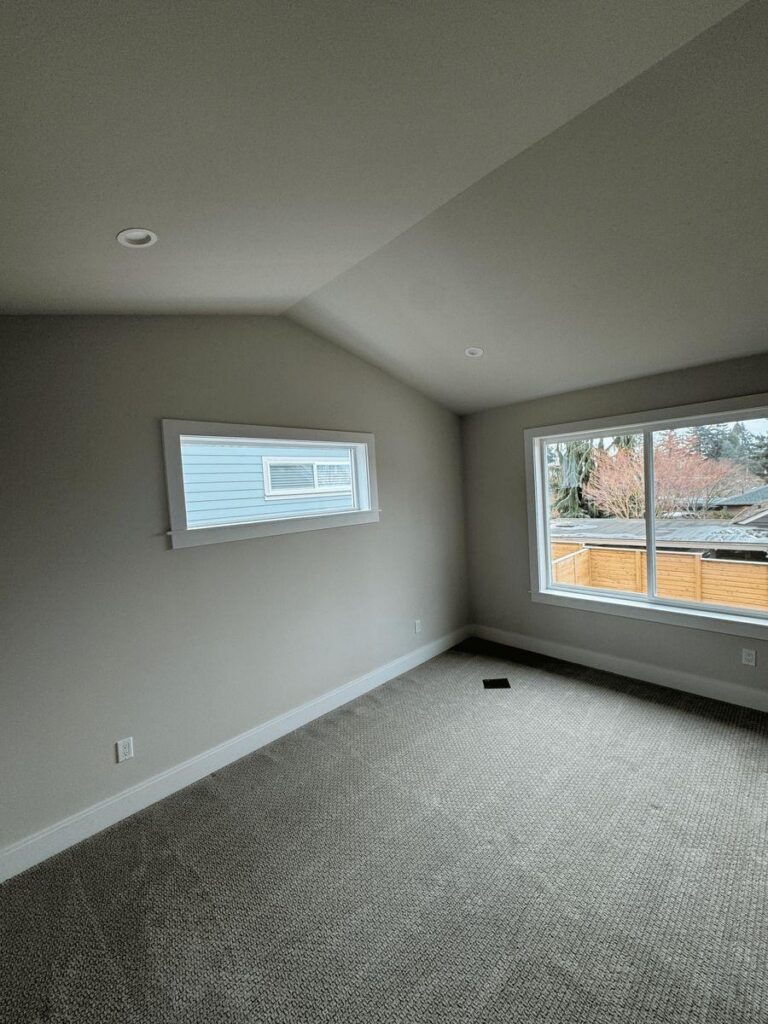
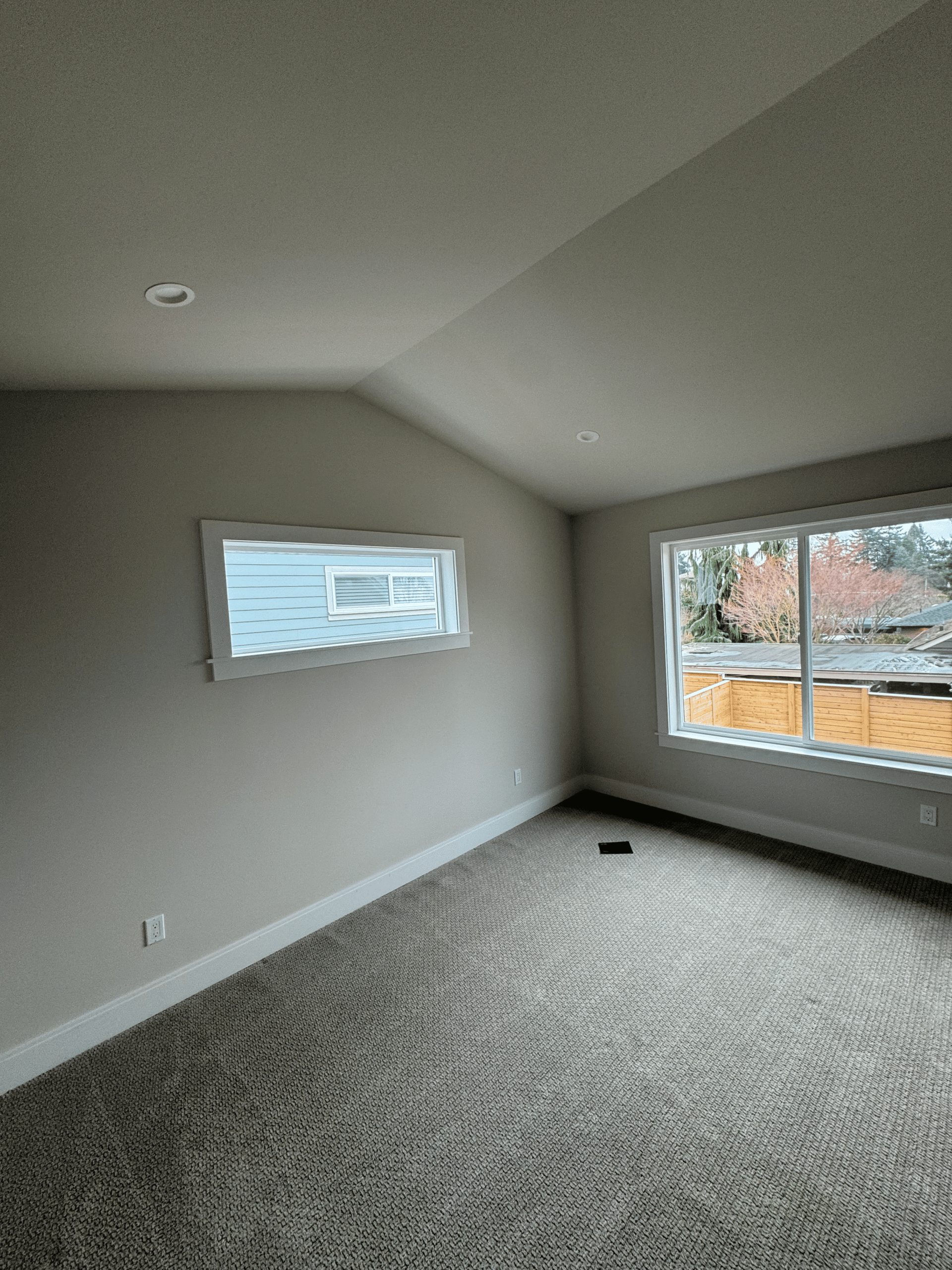
Image 1: Cascade Bear Painting project photo. Suggested alt text: “interior painting Puyallup WA – project example 1.” Image source
interior painting Puyallup WA is not just a question of choosing a color and applying two coats. The quality of the finished project depends on what is happening beneath the coating, how the work is sequenced, and whether the products and application conditions fit the actual surface.
For Puyallup homeowners, interior painting is also a logistics project. Repairs, furniture, flooring, cabinetry and occupied-room access all affect the order of work. Planning those details before masking begins keeps the project cleaner and reduces repeated touch-ups.
This guide breaks down the decisions that matter most and shows where professional planning can prevent unnecessary rework. Cascade Bear Painting offers interior painting services and can help evaluate the surfaces, prep needs and finish approach before work begins.
interior painting Puyallup WA: what to evaluate before the first coat
1. Lock the scope and colors before prep
Lock the scope and colors before prep is worth treating as its own planning decision rather than a small detail. Color is relational: a white or neutral can look warm beside oak, cool beside blue-gray stone, or noticeably different as daylight shifts. In Puyallup homes, large windows, tree cover and gray-weather light can make undertones more noticeable than they were on a small paper chip.
Sample colors on more than one wall or trim plane and review them beside fixed finishes at different times of day. For whole-home work, build a small palette before ordering the full quantity. This prevents a trim white, cabinet color or wall neutral from fighting with flooring, counters, tile or adjacent rooms after the project is already underway.
For homeowners researching interior painting Puyallup WA, this condition should be included in the written scope so the preparation standard is clear before materials are ordered.
2. Repair and prepare surfaces while rooms are empty
Repair and prepare surfaces while rooms are empty is worth treating as its own planning decision rather than a small detail. It affects how the finished work performs, looks and fits the rest of the project. For Puyallup homeowners, the useful question is not simply whether the item will be painted, but what condition it is in, how it will be prepared and what surrounding work could affect the result.
Ask the contractor to explain the inspection criteria, prep steps, material selection and acceptance standard for this part of the scope. Clear expectations at the estimate stage reduce change orders and make the final walkthrough more objective. Preparation, application and cure conditions should be treated as one connected system.
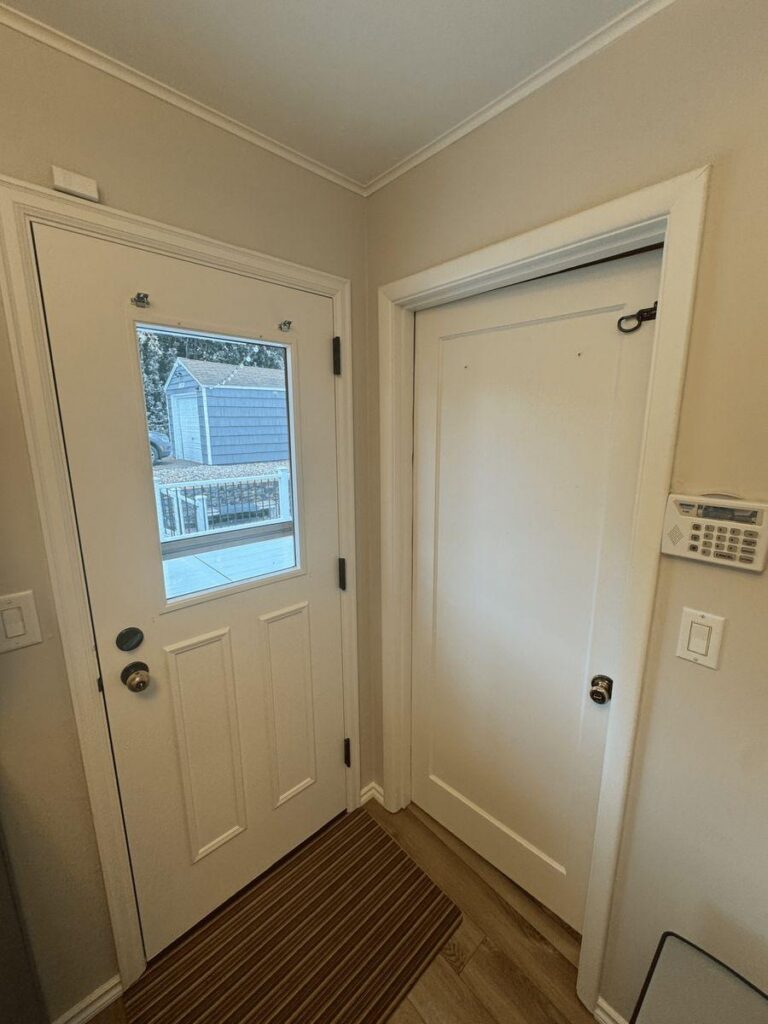
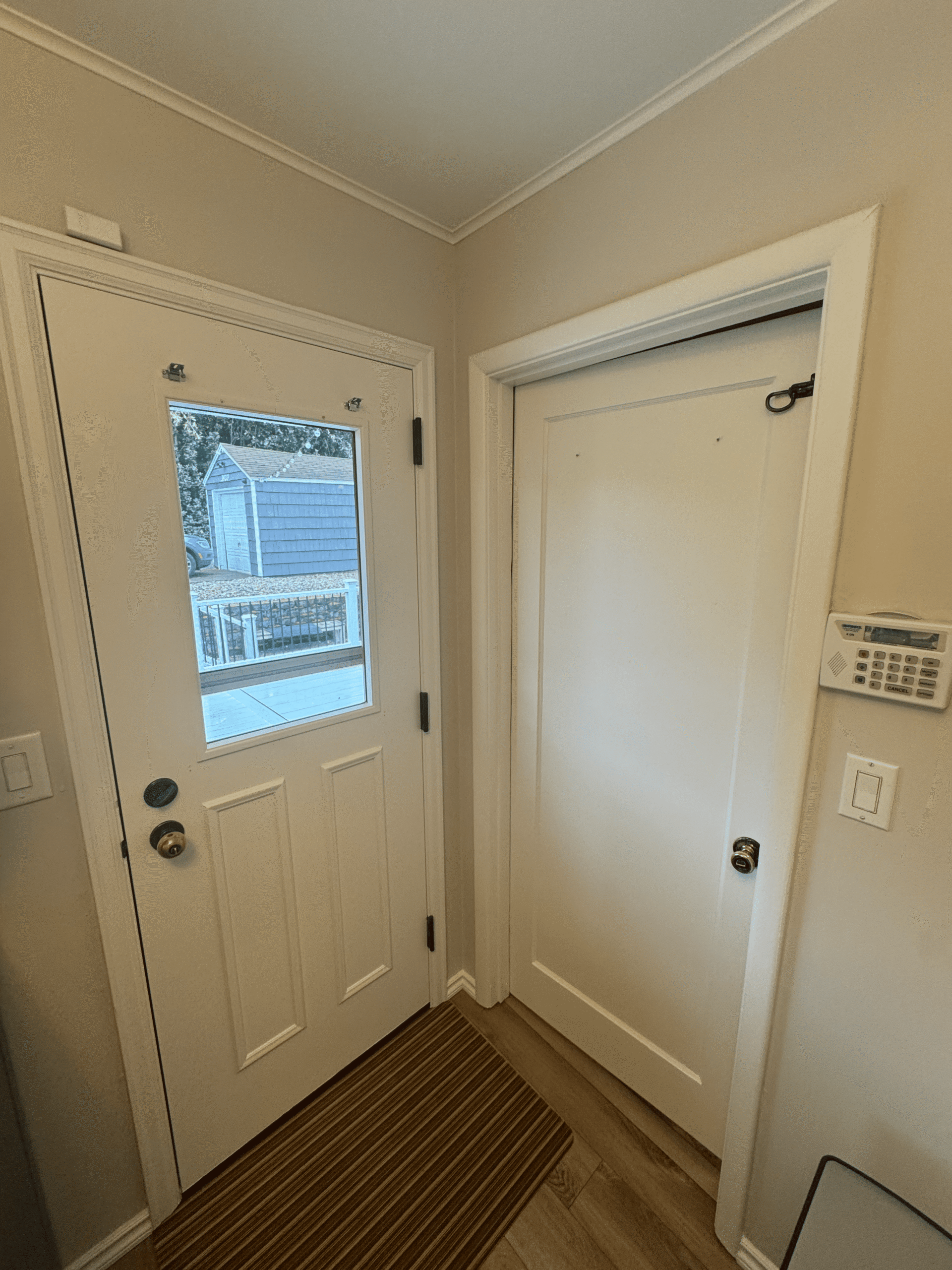
Image 2: Cascade Bear Painting project photo. Suggested alt text: “interior painting Puyallup WA – project example 2.” Image source
3. Paint ceilings before final wall coats
Paint ceilings before final wall coats is worth treating as its own planning decision rather than a small detail. Room use should drive the finish decision. A quiet bedroom, a busy hallway, a kitchen and a bathroom expose coatings to different combinations of traffic, cleaning, moisture and light. In a Puyallup home, choosing one wall finish everywhere may be simple, but it is not always the best balance of appearance and maintenance.
Start with the desired look, then consider how often the surface will be touched or cleaned and how much light will rake across it. Use the coating manufacturer’s recommended applications as the final check. Keeping the color palette consistent while adjusting product or sheen by room can create a cohesive home without sacrificing practical performance.
4. Sequence walls and trim around spray or brush methods
Sequence walls and trim around spray or brush methods is worth treating as its own planning decision rather than a small detail. Sequencing matters because every finished surface creates something that must be protected during the next step. In an empty Puyallup home, crews have more freedom to repair, mask and move equipment efficiently, but the order still depends on whether ceilings, walls, trim, doors or cabinets will be sprayed, rolled or brushed.
A well-planned sequence reduces repeated masking and lowers the chance that dust or overspray lands on completed work. Confirm the full scope before starting, make repairs early, and decide which components need additional cure time. The best order is the one that protects finished surfaces while allowing the crew to work continuously without creating avoidable touch-ups.
5. Give doors and enamel trim time to cure
Give doors and enamel trim time to cure is worth treating as its own planning decision rather than a small detail. Dry time and cure time are not interchangeable. A coating can be dry enough for another coat or gentle handling while still developing hardness and resistance to sticking, scuffing and cleaning. In a Puyallup project, that distinction matters most on doors, trim, shelves, cabinets and other high-touch surfaces.
The crew should follow the specific product’s recoat window and explain when hardware, furniture and normal use can safely return. Avoid aggressive cleaning, tape, bumpers or stacked objects during early cure unless the manufacturer allows it. Protecting the finish after application is part of achieving the performance the coating was designed to provide.
6. Finish closets and utility areas before moving in
Finish closets and utility areas before moving in is worth treating as its own planning decision rather than a small detail. Room use should drive the finish decision. A quiet bedroom, a busy hallway, a kitchen and a bathroom expose coatings to different combinations of traffic, cleaning, moisture and light. In a Puyallup home, choosing one wall finish everywhere may be simple, but it is not always the best balance of appearance and maintenance.
Start with the desired look, then consider how often the surface will be touched or cleaned and how much light will rake across it. Use the coating manufacturer’s recommended applications as the final check. Keeping the color palette consistent while adjusting product or sheen by room can create a cohesive home without sacrificing practical performance.
7. Reserve a final walkthrough and touch-up window
Reserve a final walkthrough and touch-up window is worth treating as its own planning decision rather than a small detail. It affects how the finished work performs, looks and fits the rest of the project. For Puyallup homeowners, the useful question is not simply whether the item will be painted, but what condition it is in, how it will be prepared and what surrounding work could affect the result.
Ask the contractor to explain the inspection criteria, prep steps, material selection and acceptance standard for this part of the scope. Clear expectations at the estimate stage reduce change orders and make the final walkthrough more objective. Preparation, application and cure conditions should be treated as one connected system.
What a professional interior painting process looks like
A strong interior painting Puyallup WA process connects inspection, preparation, protection, application and final review instead of treating the finish coat as the whole job.
A professional interior project starts by confirming the scope room by room. Walls, ceilings, doors, trim, closets and cabinets should be identified separately so there is no ambiguity about what is included. In a Puyallup home, the crew should also clarify furniture movement, floor protection, access, pets and any rooms that need to remain usable.
Surface preparation typically includes filling small defects, sanding repairs, addressing failed caulk where appropriate, dulling glossy areas when required and spot priming patched or stained locations. Masking and protection are part of the finish quality because clean floors, hardware, fixtures and adjacent materials matter just as much as clean wall edges.
Application is then sequenced around the selected methods and products. Dry time is different from full cure time, so doors, trim and high-touch surfaces may need extra protection after they feel dry. A final walkthrough under normal room lighting helps identify small touch-ups before furniture and daily traffic return.
A practical project-planning checklist
- Define exactly which surfaces are included and which are excluded.
- Identify repairs, moisture issues or substrate problems before painting begins.
- Approve colors, sheen and product expectations before materials are ordered.
- Confirm protection requirements for floors, landscaping, fixtures, equipment or adjacent finishes.
- Discuss access, work hours, pets, security and rooms or entrances that must stay usable.
- Ask how primer, preparation and finish coats will change by substrate.
- Understand dry time, cure time and when normal cleaning or heavy use can resume.
- Reserve time for a documented final walkthrough and agreed touch-ups.
How to compare painting estimates in Puyallup
When comparing painting estimates in Puyallup, make sure the scopes describe the same work. A lower number can simply mean fewer surfaces, less preparation, different protection, fewer finish coats or a narrower repair allowance. Ask each contractor to identify what is included, what is excluded and what conditions could change the price after work begins.
Look beyond the paint brand. Product line, sheen, primer strategy, surface preparation, access, application method and cure requirements all affect performance. A clear proposal should also address cleanup, debris, protection of adjacent finishes and how changes will be approved. Those details make it much easier to compare value rather than comparing one bottom-line number against another.
Finally, confirm how communication and the final walkthrough will work. Cascade Bear Painting describes a process that includes preparation, protection and a final inspection. Homeowners and property managers can review the relevant interior painting services page and then request an estimate with project-specific questions.
Frequently asked questions
Should ceilings or walls be painted first?
Ceilings are commonly completed before final wall coats because that sequence simplifies protection and touch-up. The exact order can change when trim, cabinets or spray application are part of the project.
How long should interior paint cure before normal use?
Dry-to-touch and full cure are different. Walls may return to light use sooner than doors, shelves or trim that receive contact. Follow the specific product guidance and avoid aggressive cleaning or sticking items to fresh coatings too early.
Do I need to move all furniture out?
An empty room gives the crew the most efficient access, but many projects can be completed with furniture moved and protected. The contractor should define responsibility for heavy items and the amount of clearance needed before the start date.
Can interior painting Puyallup WA include trim and doors?
Yes, but those surfaces should be listed clearly in the scope because they often use different products, preparation and application methods than walls. Confirm closets, baseboards, window trim and doors separately.
Plan the finish around the surface – not the other way around
The strongest interior painting Puyallup WA project is one where the prep level, coating system, work sequence and cure conditions are designed around the actual property. That approach protects the investment and makes the final result easier to evaluate because the scope was defined before work started.
Cascade Bear Painting serves Washington-area homeowners and businesses with interior painting services, preparation-focused project planning and final inspection. If you are considering work in Puyallup, contact Cascade Bear Painting to discuss the surfaces, timing and finish goals for your property.