
cabinet painting Seattle WA is not just a question of choosing a color and applying two coats. The quality of the finished project depends on what is happening beneath the coating, how the work is sequenced, and whether the products and application conditions fit the actual surface.
For Seattle kitchens, cabinets face a tougher service environment than most painted walls. Oils from hands, cooking residue, repeated cleaning and hard contact around pulls and edges mean the coating system needs careful preparation and enough time to cure before regular use.
This guide breaks down the decisions that matter most and shows where professional planning can prevent unnecessary rework. Cascade Bear Painting offers cabinet painting services and can help evaluate the surfaces, prep needs and finish approach before work begins.
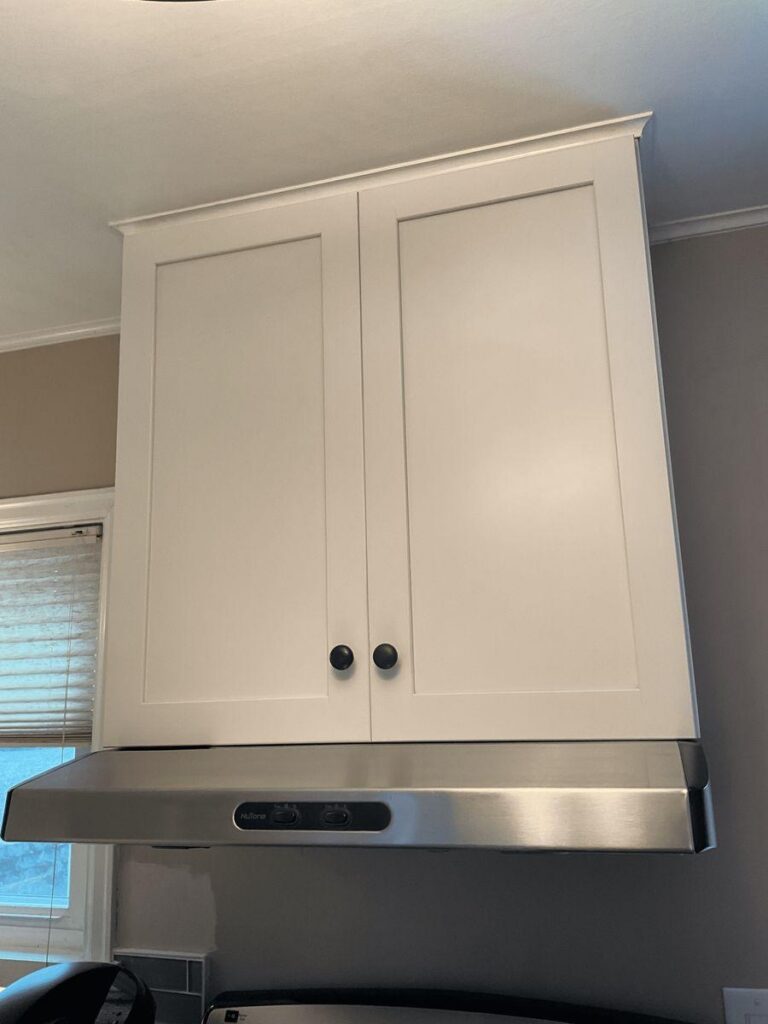
cabinet painting Seattle WA: what to evaluate before the first coat
1. Condition of the existing cabinet boxes
Condition of the existing cabinet boxes is worth treating as its own planning decision rather than a small detail. Cabinet finishes are handled constantly, cleaned repeatedly and viewed at close range, which makes preparation and film quality unusually important. Residue around pulls, glossy factory finishes and sharp profile edges can interfere with adhesion if they are not addressed before primer and topcoat.
A professional Seattle cabinet workflow should define how doors and drawers are labeled, where they are finished, how surfaces are cleaned and abraded, which primer is used, and how cure time is protected. Heavy coats are not a shortcut to durability. Controlled application and patience between stages generally produce a smoother, more resilient finish.
For homeowners researching cabinet painting Seattle WA, this condition should be included in the written scope so the preparation standard is clear before materials are ordered.
2. Whether the current kitchen layout still works
Whether the current kitchen layout still works is worth treating as its own planning decision rather than a small detail. It affects how the finished work performs, looks and fits the rest of the project. For Seattle homeowners, the useful question is not simply whether the item will be painted, but what condition it is in, how it will be prepared and what surrounding work could affect the result.
Ask the contractor to explain the inspection criteria, prep steps, material selection and acceptance standard for this part of the scope. Clear expectations at the estimate stage reduce change orders and make the final walkthrough more objective. Preparation, application and cure conditions should be treated as one connected system.
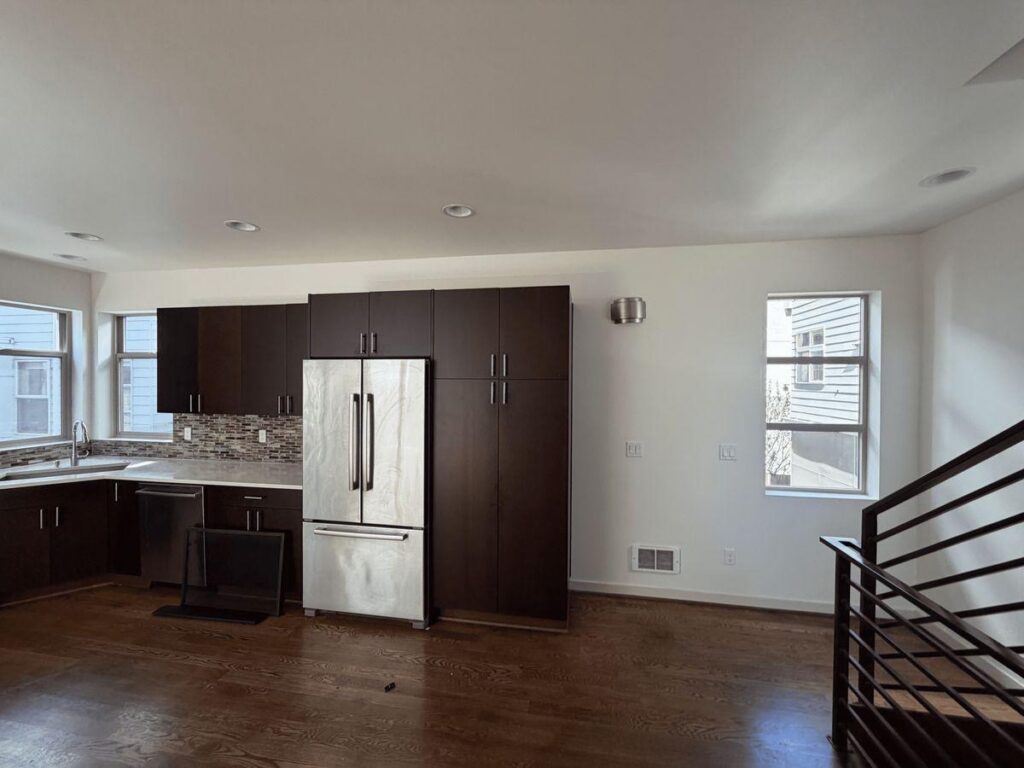
Image 2: Cascade Bear Painting project photo. Suggested alt text: “cabinet painting Seattle WA – project example 2.” Image source
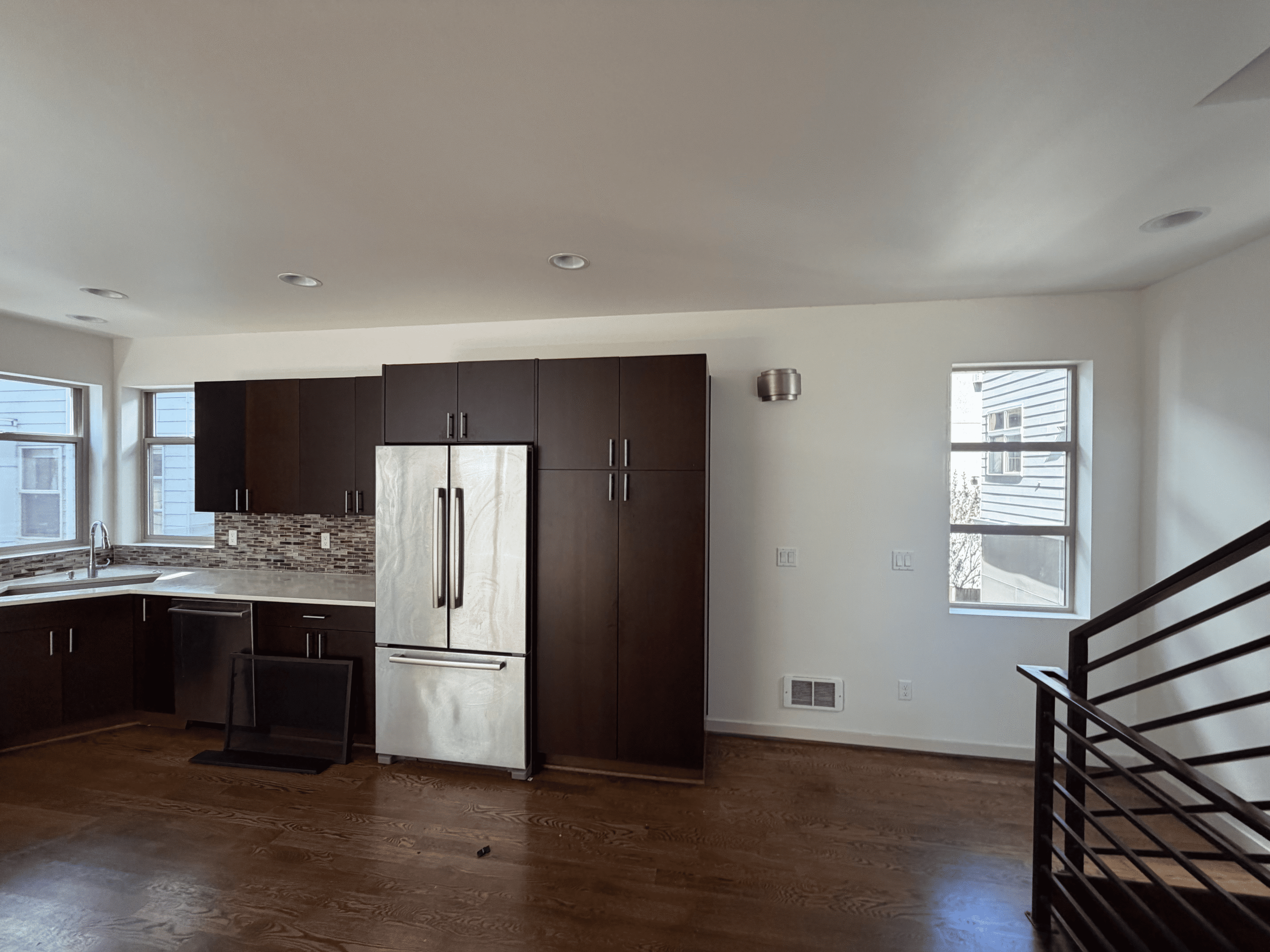
3. Downtime, demolition and disruption
Downtime, demolition and disruption is worth treating as its own planning decision rather than a small detail. It affects how the finished work performs, looks and fits the rest of the project. For Seattle homeowners, the useful question is not simply whether the item will be painted, but what condition it is in, how it will be prepared and what surrounding work could affect the result.
Ask the contractor to explain the inspection criteria, prep steps, material selection and acceptance standard for this part of the scope. Clear expectations at the estimate stage reduce change orders and make the final walkthrough more objective. Preparation, application and cure conditions should be treated as one connected system.
4. Durability expectations for a painted finish
Durability expectations for a painted finish is worth treating as its own planning decision rather than a small detail. It affects how the finished work performs, looks and fits the rest of the project. For Seattle homeowners, the useful question is not simply whether the item will be painted, but what condition it is in, how it will be prepared and what surrounding work could affect the result.
Ask the contractor to explain the inspection criteria, prep steps, material selection and acceptance standard for this part of the scope. Clear expectations at the estimate stage reduce change orders and make the final walkthrough more objective. Preparation, application and cure conditions should be treated as one connected system.
5. Color and design flexibility
Color and design flexibility is worth treating as its own planning decision rather than a small detail. Color is relational: a white or neutral can look warm beside oak, cool beside blue-gray stone, or noticeably different as daylight shifts. In Seattle homes, large windows, tree cover and gray-weather light can make undertones more noticeable than they were on a small paper chip.
Sample colors on more than one wall or trim plane and review them beside fixed finishes at different times of day. For whole-home work, build a small palette before ordering the full quantity. This prevents a trim white, cabinet color or wall neutral from fighting with flooring, counters, tile or adjacent rooms after the project is already underway.
6. Countertop and backsplash coordination
Countertop and backsplash coordination is worth treating as its own planning decision rather than a small detail. Color is relational: a white or neutral can look warm beside oak, cool beside blue-gray stone, or noticeably different as daylight shifts. In Seattle homes, large windows, tree cover and gray-weather light can make undertones more noticeable than they were on a small paper chip.
Sample colors on more than one wall or trim plane and review them beside fixed finishes at different times of day. For whole-home work, build a small palette before ordering the full quantity. This prevents a trim white, cabinet color or wall neutral from fighting with flooring, counters, tile or adjacent rooms after the project is already underway.
7. True project cost versus material-only cost
True project cost versus material-only cost is worth treating as its own planning decision rather than a small detail. It affects how the finished work performs, looks and fits the rest of the project. For Seattle homeowners, the useful question is not simply whether the item will be painted, but what condition it is in, how it will be prepared and what surrounding work could affect the result.
Ask the contractor to explain the inspection criteria, prep steps, material selection and acceptance standard for this part of the scope. Clear expectations at the estimate stage reduce change orders and make the final walkthrough more objective. Preparation, application and cure conditions should be treated as one connected system.
What a professional cabinet painting process looks like
A strong cabinet painting Seattle WA process connects inspection, preparation, protection, application and final review instead of treating the finish coat as the whole job.
Professional cabinet painting starts with condition and layout. If boxes are damaged, doors are failing or the homeowner wants a fundamentally different kitchen configuration, paint may not be the right solution. If the cabinetry is sound, a Seattle cabinet project can move into a detailed finishing workflow.
Doors, drawers and hardware should be removed and labeled so every component returns to its original location. Surfaces are cleaned carefully, then sanded or otherwise prepared to create a suitable profile. Primer is selected for the cabinet material and existing finish, not simply because it is the crew’s usual product.
Finish coats are applied in controlled layers with attention to edges, profiles and film build. Doors and drawer fronts are often best finished in a controlled setup, while fixed boxes require careful masking inside the home. Reassembly should happen only after the finish has dried enough for handling, and homeowners should receive clear guidance about cure time and early cleaning.
A practical project-planning checklist
- Define exactly which surfaces are included and which are excluded.
- Identify repairs, moisture issues or substrate problems before painting begins.
- Approve colors, sheen and product expectations before materials are ordered.
- Confirm protection requirements for floors, landscaping, fixtures, equipment or adjacent finishes.
- Discuss access, work hours, pets, security and rooms or entrances that must stay usable.
- Ask how primer, preparation and finish coats will change by substrate.
- Understand dry time, cure time and when normal cleaning or heavy use can resume.
- Reserve time for a documented final walkthrough and agreed touch-ups.
How to compare painting estimates in Seattle
When comparing painting estimates in Seattle, make sure the scopes describe the same work. A lower number can simply mean fewer surfaces, less preparation, different protection, fewer finish coats or a narrower repair allowance. Ask each contractor to identify what is included, what is excluded and what conditions could change the price after work begins.
Look beyond the paint brand. Product line, sheen, primer strategy, surface preparation, access, application method and cure requirements all affect performance. A clear proposal should also address cleanup, debris, protection of adjacent finishes and how changes will be approved. Those details make it much easier to compare value rather than comparing one bottom-line number against another.
Finally, confirm how communication and the final walkthrough will work. Cascade Bear Painting describes a process that includes preparation, protection and a final inspection. Homeowners and property managers can review the relevant cabinet painting services page and then request an estimate with project-specific questions.
Frequently asked questions
Is painting cheaper than replacing cabinets?
Painting generally avoids demolition and new cabinet fabrication, but the right comparison depends on cabinet condition, layout goals, hardware, counters and other planned kitchen changes. Sound boxes with a layout you like are the best candidates.
Why do painted cabinets chip?
Common contributors include grease or residue, inadequate abrasion, incompatible primer, heavy coats, insufficient cure time and hard use before the finish has developed durability. Edges and areas around pulls receive the most stress.
Are cabinet doors sprayed or brushed?
Professional workflows vary, but doors and drawer fronts are often sprayed in a controlled setup for a uniform finish. Fixed boxes may be sprayed or applied with other methods depending on site conditions and protection requirements.
How soon can I clean newly painted cabinets?
Wait for the coating system to develop adequate cure, not just surface dryness. Use mild cleaning methods at first and follow the specific product recommendations provided by the painter.
Plan the finish around the surface – not the other way around
The strongest cabinet painting Seattle WA project is one where the prep level, coating system, work sequence and cure conditions are designed around the actual property. That approach protects the investment and makes the final result easier to evaluate because the scope was defined before work started.
Cascade Bear Painting serves Washington-area homeowners and businesses with cabinet painting services, preparation-focused project planning and final inspection. If you are considering work in Seattle, contact Cascade Bear Painting to discuss the surfaces, timing and finish goals for your property.