exterior painting Seattle WA is not just a question of choosing a color and applying two coats. The quality of the finished project depends on what is happening beneath the coating, how the work is sequenced, and whether the products and application conditions fit the actual surface.
For Seattle properties, Pacific Northwest moisture, shade, seasonal temperature swings and varied siding materials make inspection and preparation especially important. A coating can look good on completion day and still fail early if water, contamination or unstable old paint was left underneath it.
This guide breaks down the decisions that matter most and shows where professional planning can prevent unnecessary rework. Cascade Bear Painting offers exterior painting services and can help evaluate the surfaces, prep needs and finish approach before work begins.
exterior painting Seattle WA: what to evaluate before the first coat
1. Moisture and surfaces that have not fully dried
Moisture and surfaces that have not fully dried is worth treating as its own planning decision rather than a small detail. Paint and stain are film-forming systems, so trapped moisture can undermine adhesion from beneath the coating. Around Seattle, shaded elevations, damp wood, overnight dew and slow-drying joints can make a surface look ready before it actually is. A visual check alone is not always enough when the substrate has recently been washed, exposed to rain or affected by a leak.
The practical approach is to solve the moisture source first, allow the material to dry within the coating manufacturer’s requirements, and then prepare the surface. Painting over a damp problem can temporarily hide discoloration while leaving the underlying failure mechanism in place. Ask the painter how weather, shade, washing and substrate condition will be evaluated before primer or finish coats begin.
For homeowners researching exterior painting Seattle WA, this condition should be included in the written scope so the preparation standard is clear before materials are ordered.
2. Loose, chalking or failing existing paint
Loose, chalking or failing existing paint is worth treating as its own planning decision rather than a small detail. An older coating is only a useful foundation when it is still bonded to the substrate. On Seattle homes, peeling edges, powdery chalk, checking and layers that release during scraping are signs that the next coat needs more than cleaning. New paint cannot create permanent adhesion to an unstable layer underneath it.
Preparation may include washing, scraping, sanding feathered edges, spot repairs and primer on exposed or porous areas. The goal is not to remove every square inch of sound paint; it is to create a clean, stable and properly profiled surface. A good estimate should make the expected prep level clear so homeowners can compare scopes instead of comparing only paint brands and coat counts.
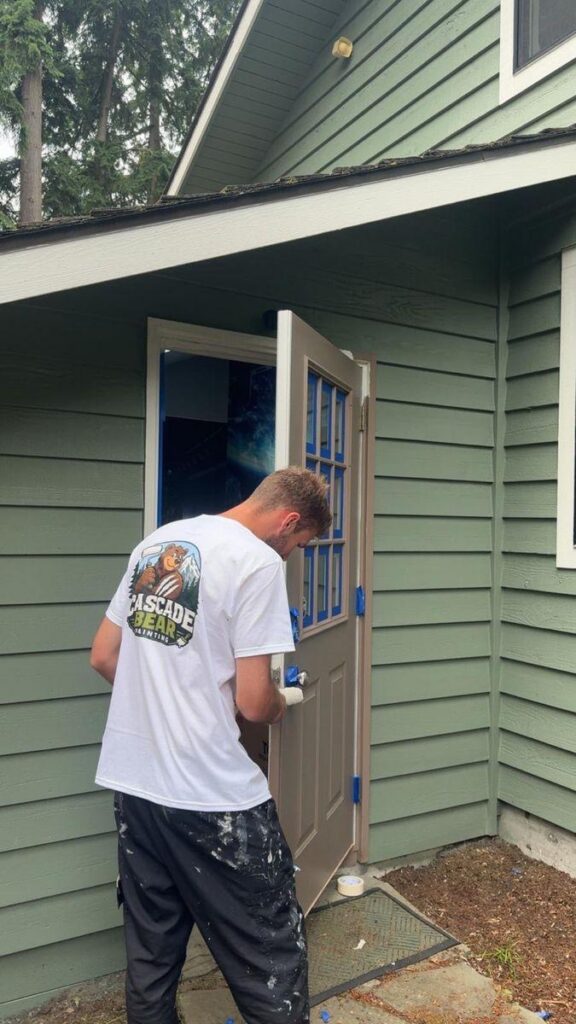
Image 2: Cascade Bear Painting project photo. Suggested alt text: “exterior painting Seattle WA – project example 2.” Image source
3. Mildew, dirt and contamination under the coating
Mildew, dirt and contamination under the coating is worth treating as its own planning decision rather than a small detail. Paint and stain are film-forming systems, so trapped moisture can undermine adhesion from beneath the coating. Around Seattle, shaded elevations, damp wood, overnight dew and slow-drying joints can make a surface look ready before it actually is. A visual check alone is not always enough when the substrate has recently been washed, exposed to rain or affected by a leak.
The practical approach is to solve the moisture source first, allow the material to dry within the coating manufacturer’s requirements, and then prepare the surface. Painting over a damp problem can temporarily hide discoloration while leaving the underlying failure mechanism in place. Ask the painter how weather, shade, washing and substrate condition will be evaluated before primer or finish coats begin.
4. Failed caulk and open joints
Failed caulk and open joints is worth treating as its own planning decision rather than a small detail. Open joints often show up first around trim intersections, penetrations and transitions between materials. Those gaps can admit water and create shadow lines that remain visible after painting. On a Seattle exterior, failed sealant should be considered part of the coating system rather than a cosmetic afterthought.
Old failed material should be removed where necessary, the joint should be clean and sound, and the replacement sealant should be appropriate for the location and paint system. Excessive caulk can be just as problematic as too little because some assemblies are designed to drain. The painter should distinguish joints that need sealing from details that should remain open.
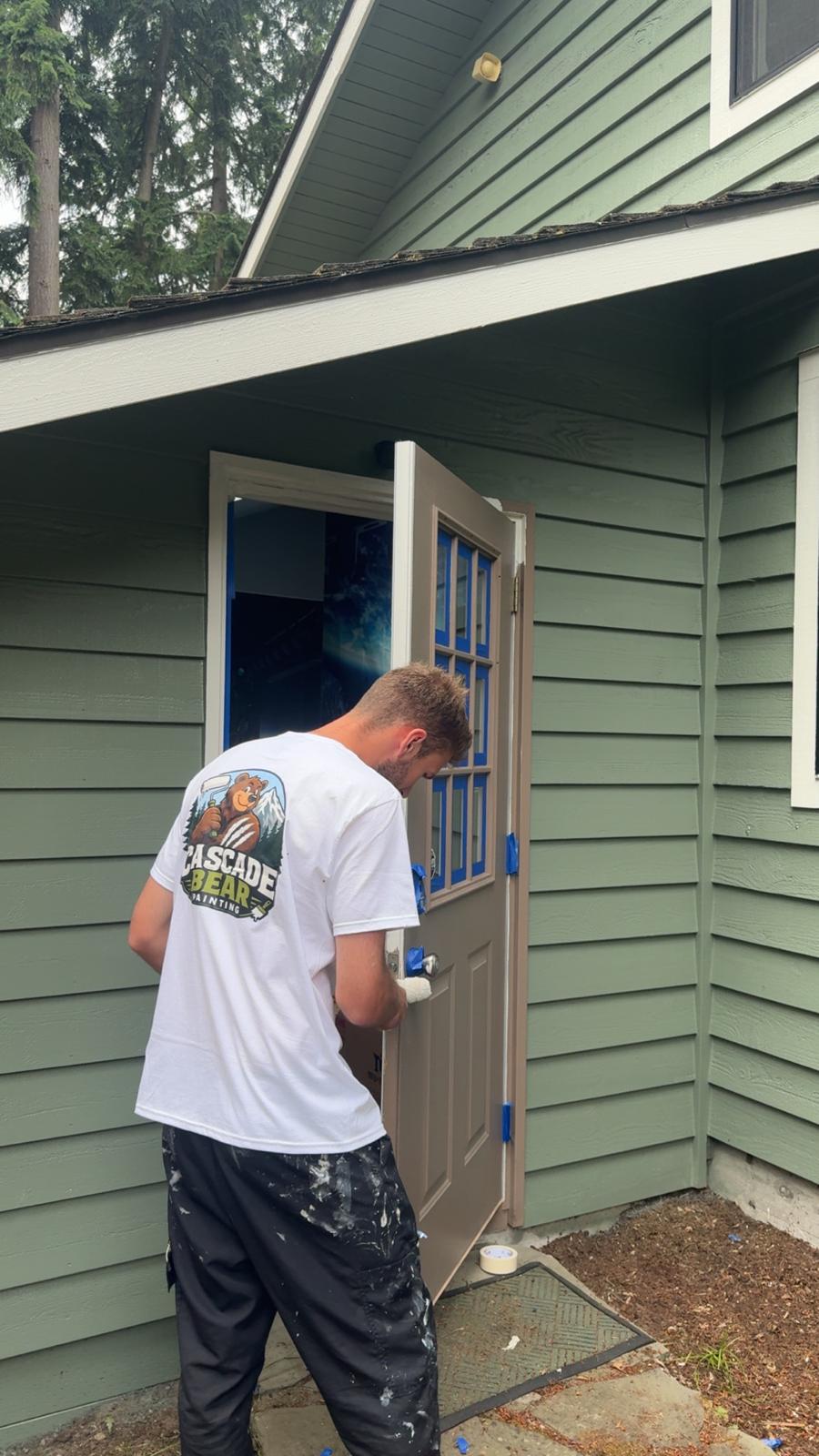
Image 3: Cascade Bear Painting project photo. Suggested alt text: “exterior painting Seattle WA – project example 3.” Image source
5. Bare areas that need primer
Bare areas that need primer is worth treating as its own planning decision rather than a small detail. Primer solves specific problems: adhesion, porosity, stain control, tannin bleed, exposed substrate or compatibility between layers. It is not automatically necessary on every square foot of a previously painted surface, but skipping it where it is needed can create flashing, uneven sheen or premature failure.
For a Seattle project, ask which areas are expected to receive full primer versus spot primer and why. Bare wood, patched drywall, repaired masonry, glossy factory finishes and stain-prone materials may call for different products. Matching primer to the actual substrate is more important than using one “universal” answer everywhere.
6. Painting outside the proper weather window
Painting outside the proper weather window is worth treating as its own planning decision rather than a small detail. It affects how the finished work performs, looks and fits the rest of the project. For Seattle homeowners, the useful question is not simply whether the item will be painted, but what condition it is in, how it will be prepared and what surrounding work could affect the result.
Ask the contractor to explain the inspection criteria, prep steps, material selection and acceptance standard for this part of the scope. Clear expectations at the estimate stage reduce change orders and make the final walkthrough more objective. Preparation, application and cure conditions should be treated as one connected system.
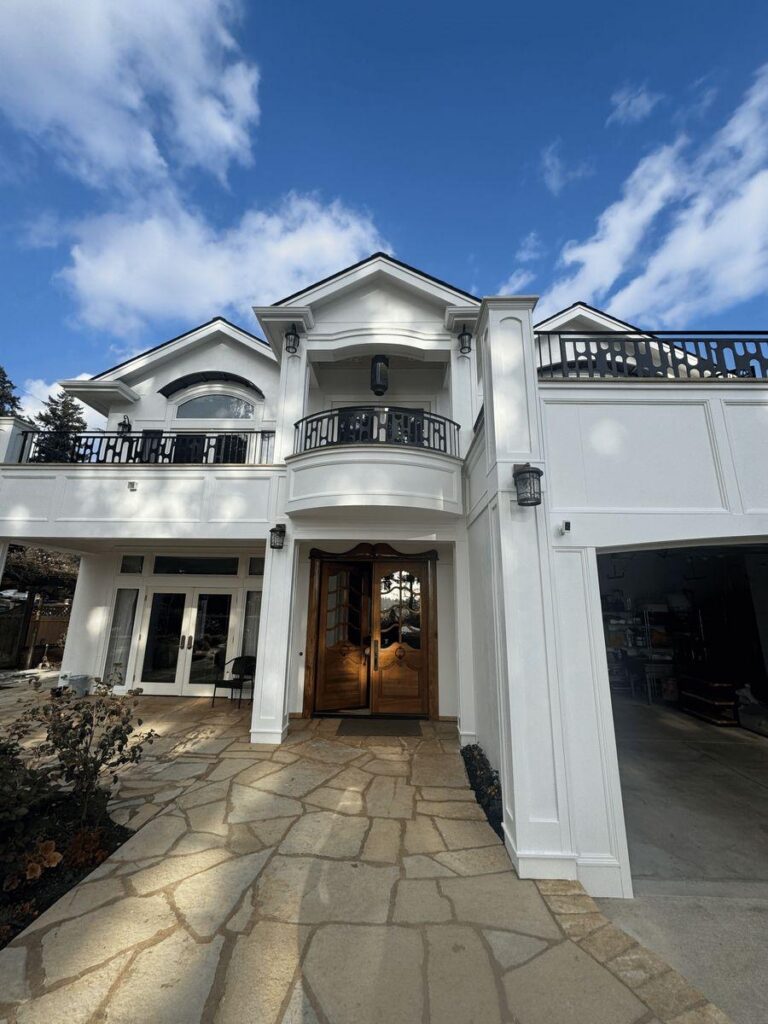
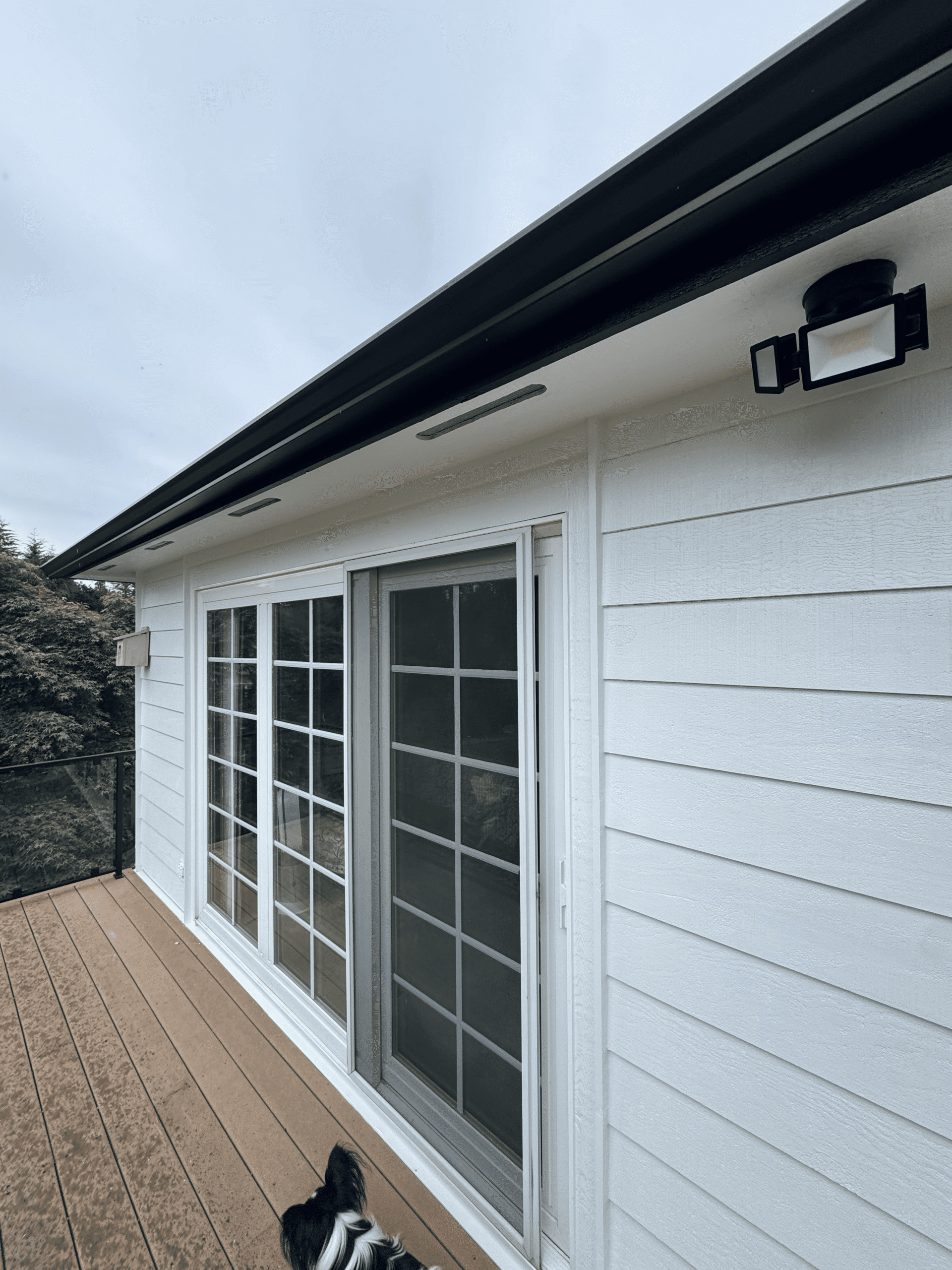
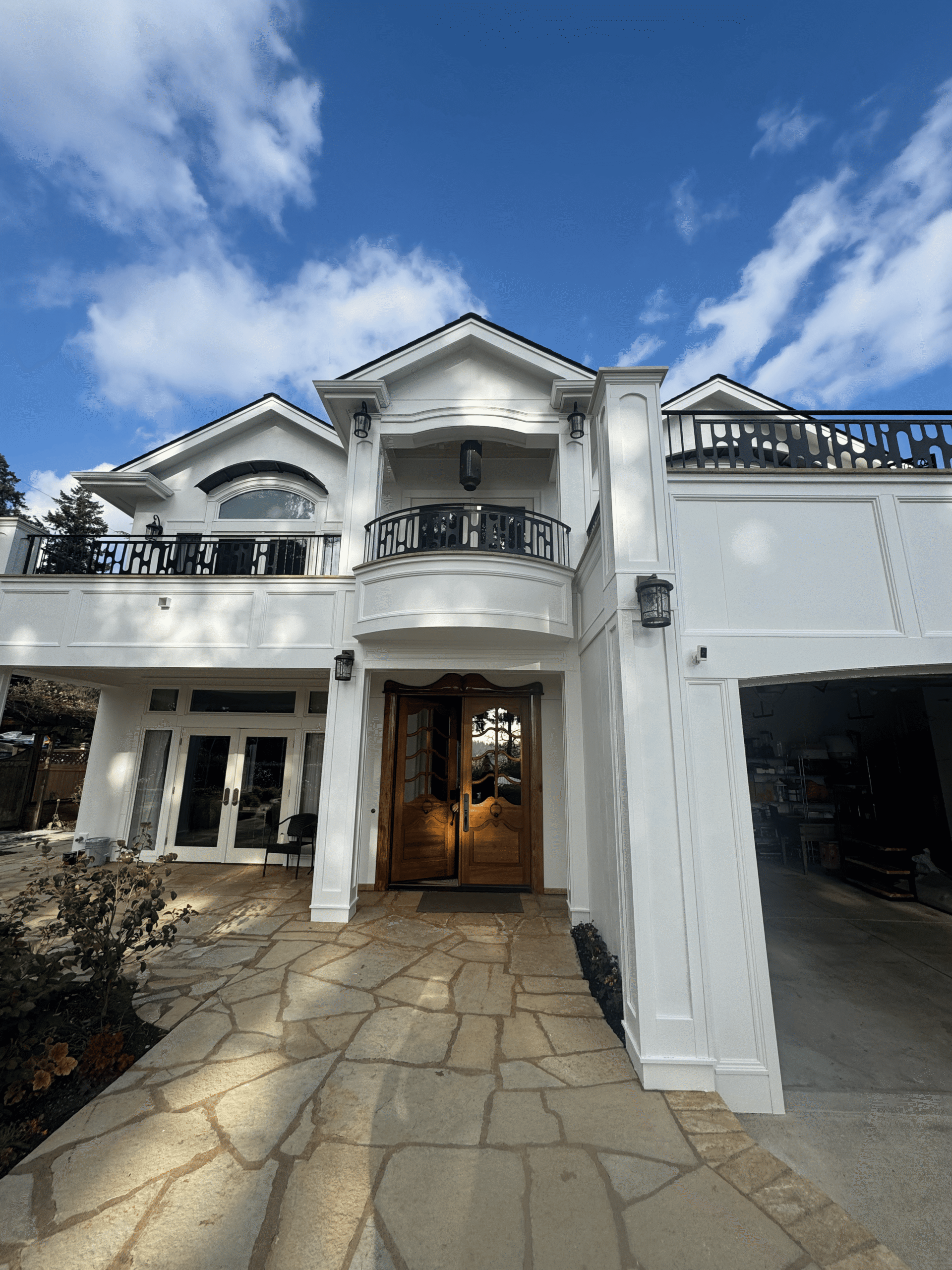
Image 4: Cascade Bear Painting project photo. Suggested alt text: “exterior painting Seattle WA – project example 4.” Image source
7. Different siding materials need different prep
Different siding materials need different prep is worth treating as its own planning decision rather than a small detail. Different substrates move, absorb moisture and hold coatings differently. Wood grain and end cuts behave differently from fiber cement, while stucco and masonry introduce porosity and cracking considerations. That means a Seattle repaint should start with material identification instead of assuming every elevation receives the same preparation.
The painter should inspect damaged boards, soft areas, hairline cracks, fastener conditions and previous coating type before specifying prep and finish products. Repairs that change porosity may need spot priming or additional build. Substrate-specific preparation is one of the biggest differences between a repaint that merely looks new and one designed to stay sound.
What a professional exterior painting process looks like
A strong exterior painting Seattle WA process connects inspection, preparation, protection, application and final review instead of treating the finish coat as the whole job.
A professional exterior project begins with a walkaround that separates coating problems from building problems. The crew should note peeling or chalking paint, failed sealants, water staining, damaged substrate, mildew-prone areas and surfaces that will need special access. This inspection is what turns a broad repaint request into a defined scope for a Seattle property.
Preparation follows the inspection: protection of landscaping and adjacent finishes, cleaning, scraping or sanding unstable coatings, repairing minor paint-related defects, spot priming where needed and sealing appropriate joints. Weather is monitored throughout because surface temperature, rain, dew and cure windows can be as important as air temperature.
Finish coats come after the substrate is stable and ready. Application method may vary by surface, profile and access, but coverage should be controlled rather than rushed. The final walkthrough should evaluate consistent color and sheen, clean cut lines, protected adjacent surfaces and completion of the agreed preparation items—not merely whether the home looks freshly painted from the street.
A practical project-planning checklist
- Define exactly which surfaces are included and which are excluded.
- Identify repairs, moisture issues or substrate problems before painting begins.
- Approve colors, sheen and product expectations before materials are ordered.
- Confirm protection requirements for floors, landscaping, fixtures, equipment or adjacent finishes.
- Discuss access, work hours, pets, security and rooms or entrances that must stay usable.
- Ask how primer, preparation and finish coats will change by substrate.
- Understand dry time, cure time and when normal cleaning or heavy use can resume.
- Reserve time for a documented final walkthrough and agreed touch-ups.
How to compare painting estimates in Seattle
When comparing painting estimates in Seattle, make sure the scopes describe the same work. A lower number can simply mean fewer surfaces, less preparation, different protection, fewer finish coats or a narrower repair allowance. Ask each contractor to identify what is included, what is excluded and what conditions could change the price after work begins.
Look beyond the paint brand. Product line, sheen, primer strategy, surface preparation, access, application method and cure requirements all affect performance. A clear proposal should also address cleanup, debris, protection of adjacent finishes and how changes will be approved. Those details make it much easier to compare value rather than comparing one bottom-line number against another.
Finally, confirm how communication and the final walkthrough will work. Cascade Bear Painting describes a process that includes preparation, protection and a final inspection. Homeowners and property managers can review the relevant exterior painting services page and then request an estimate with project-specific questions.
Frequently asked questions
How do I know whether my exterior needs paint or repair first?
Peeling paint, open joints, soft wood, recurring stains and cracked substrate can signal issues that should be evaluated before coating. Painting can protect sound surfaces, but it should not be used to conceal active water intrusion or failing building materials.
Can exterior painting happen after rain?
It depends on the substrate, weather and manufacturer requirements. A surface may feel dry while still holding moisture. A professional painter should allow adequate drying and confirm that temperature, surface condition and the forecast support application and cure.
Is pressure washing enough preparation?
No. Washing can remove dirt and some contamination, but loose paint, failed caulk, glossy areas, exposed substrate and repairs may still need scraping, sanding, sealing or primer before finish coats.
When should I contact Seattle painters for an exterior project?
Planning ahead is useful because preparation and application depend on weather windows and access. An early site review also gives time to identify repairs or moisture problems before the painting schedule begins.
Plan the finish around the surface – not the other way around
The strongest exterior painting Seattle WA project is one where the prep level, coating system, work sequence and cure conditions are designed around the actual property. That approach protects the investment and makes the final result easier to evaluate because the scope was defined before work started.
Cascade Bear Painting serves Washington-area homeowners and businesses with exterior painting services, preparation-focused project planning and final inspection. If you are considering work in Seattle, contact Cascade Bear Painting to discuss the surfaces, timing and finish goals for your property.